


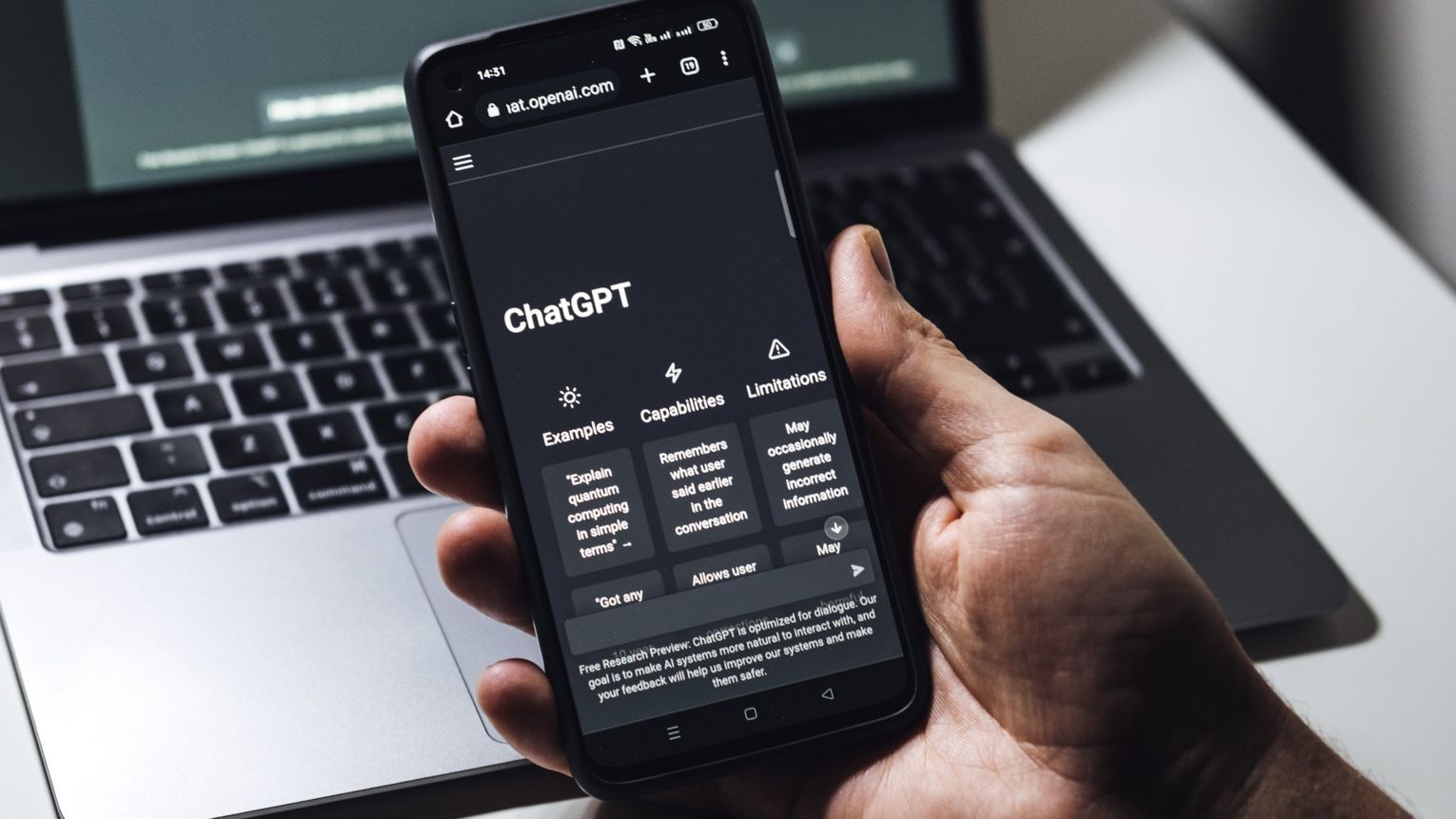
From now on, artificial intelligence can process even more textual information and has even learned how to work with images. The director of the company, Sam Altman, acknowledged that his work has so far been limited.
OpenAI has officially unveiled a new language model for the GPT-4 artificial intelligence that has been popular in recent weeks. This is stated in the new press release of the startup.
From now on, this bot is able to perceive not only textual information, but also visual. In addition, GPT-4 is now more creative and collaborative than its predecessor, GPT-3.5, and will also help users generate, edit, and complete creative tasks. Among them, writing lyrics, scripts, learning the style of writing and so on.
In the new version of artificial intelligence, as noted by the company’s developers, it is allowed to accept images as input, create captions, and so on. According to them, this should greatly simplify the life of users of this platform.
“We spent 6 months making GPT-4 more secure and more consistent. According to our internal estimates, GPT-4 is 82% less likely to respond to banned content requests and 40% more likely to provide actual responses than GPT-3.5,” the company said in a press release.
GPT-4 is expected to be seen on third party platforms. So far, this list includes Duolingo, Stripe and Khan Academy, but expansion is planned over time.
OpenAI CEO Sam Altman on social media Twitter while noting that the GPT-4 “still has flaws and is still limited.”
“It took us a long time and a lot of work to feel ready for its release. We hope you enjoy it, and we really appreciate feedback about its shortcomings,” the message says.
On March 14, information appeared that new cars from General Motors plan to equip ChatGPT. The chatbot will help you understand the peculiarities of new multimedia technologies and set up useful auto functions. In addition, the bot will be able to give the driver useful tips on car maintenance.
On February 18, the “smart” chat bot ChatGPT became available in Ukraine. It was blocked for Ukrainians for almost three months, and now the restrictions continue to operate in the occupied territories of Ukraine. The Ministry of Digital Development fears that the Russians are using the service for propaganda.


