Board games have a fascinating history spanning thousands of years and intertwined with different civilizations and eras.
Board games have occupied a special place in the dynamic picture of human leisure and recreation. And their history goes back to ancient times, writes Ancient Origins.
Focus.Technology has its own Telegram channel. Subscribe so you don’t miss the latest and most exciting news from the world of science!
First games
The story begins with ancient civilizations, where board games such as Senet in Egypt and Chaturanga in India were more than just entertainment. Dating back more than 5,000 years, Senet reflected Egyptian beliefs about the afterlife, serving as a bridge between the earthly and divine worlds. The movement of the figures was not just random, it symbolized the trials and tribulations that one might encounter in the other world.
Likewise, chaturanga reflected the social hierarchy of ancient India, embodying the complex power dynamics of its time. It appeared around the 6th century and reflects the stratification of Indian society into four classes – Brahmins, Kshatriyas, Vaishyas and Shudras. The movement of the pieces on the board reflected the complex dance of power and hierarchy in ancient India.
In Northern Europe, the discovery of tavliya demonstrated the resurrection of an ancient board game lost for centuries until 1732, and shed light on past cultural practices.
Meanwhile, in ancient China, the game of Go occupied a central place and symbolized not only strategic skill, but also embodied philosophical principles. Black and white stones on the board personified the dualistic nature of existence, and every move strived for harmony and balance.
Royal fun
In medieval Europe, board games such as chess became the exclusive pastime of royal courts, reflecting the hierarchical structures and political intrigues of feudal societies. The chessboard became a battlefield, and each piece became a representative of the nobility, clergy and military.
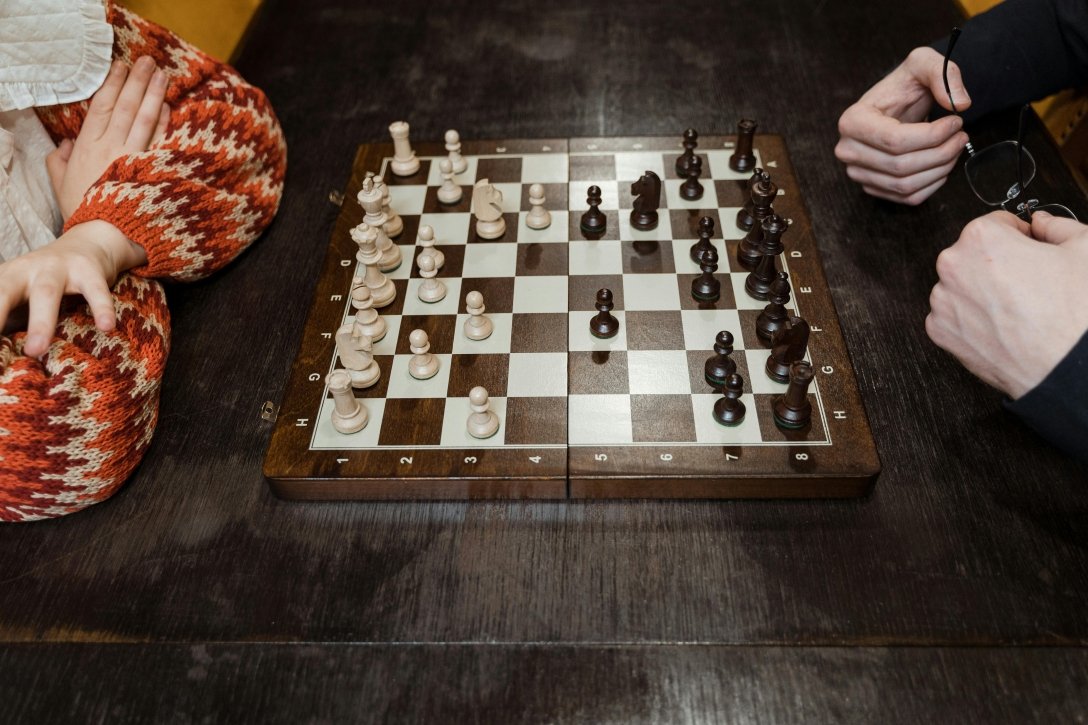

In medieval Europe, board games such as chess became the exclusive pastime of royal courts.
Photo: Pexels/Tima Miroshnichenko
The royal game of Ur from ancient Mesopotamia offers another look at the aristocratic passion for board games. This game, dating back to approximately 2600 BC. BC, had a beautifully decorated board and characteristic pyramid-shaped bones.
The Rise of Mass Entertainment
The Industrial Revolution opened a new chapter by democratizing board games through mass production. Games like Monopoly emerged that not only provided entertainment, but also reflected economic concepts and provided social interaction during difficult times such as the Great Depression.
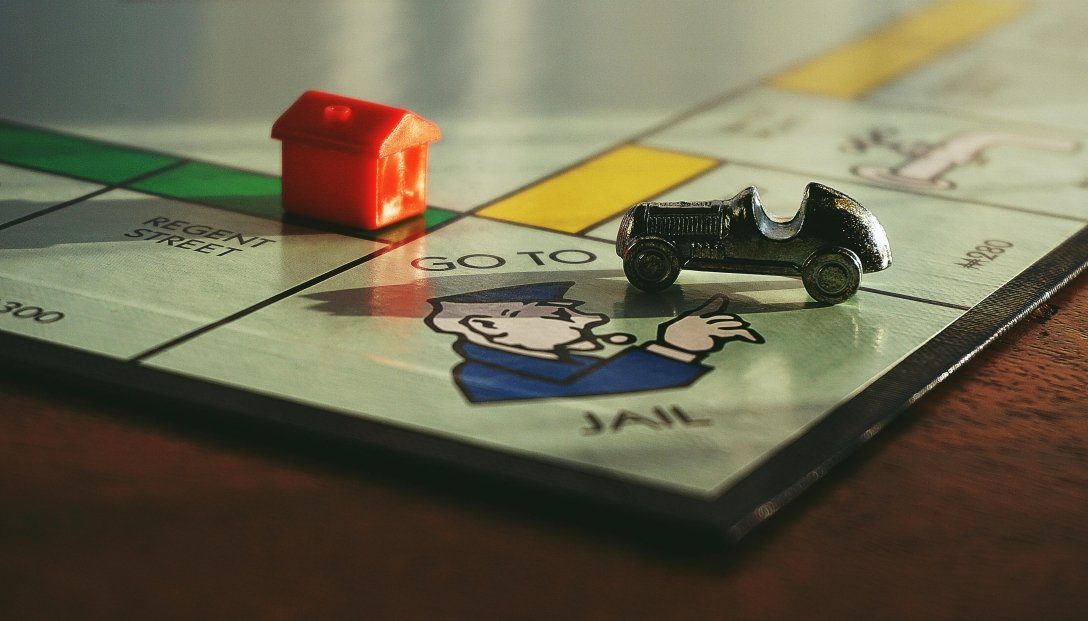
Patented in 1935, Monopoly offered players a glimpse into the world of real estate and capitalism
Фото: Pexels/Suzy Hazelwood
Patented in 1935, Monopoly offered players a glimpse into the world of real estate and capitalism. These games resonated, turning them into mass entertainment.
Renaissance of board games
The 21st century has seen a board game renaissance with modern classics such as Settlers of Catan, Carcassonne, Dungeons & Dragons and Ticket to Ride. These games introduced fresh mechanics, appealing to a wider audience beyond traditional gamers and fostering camaraderie among players.
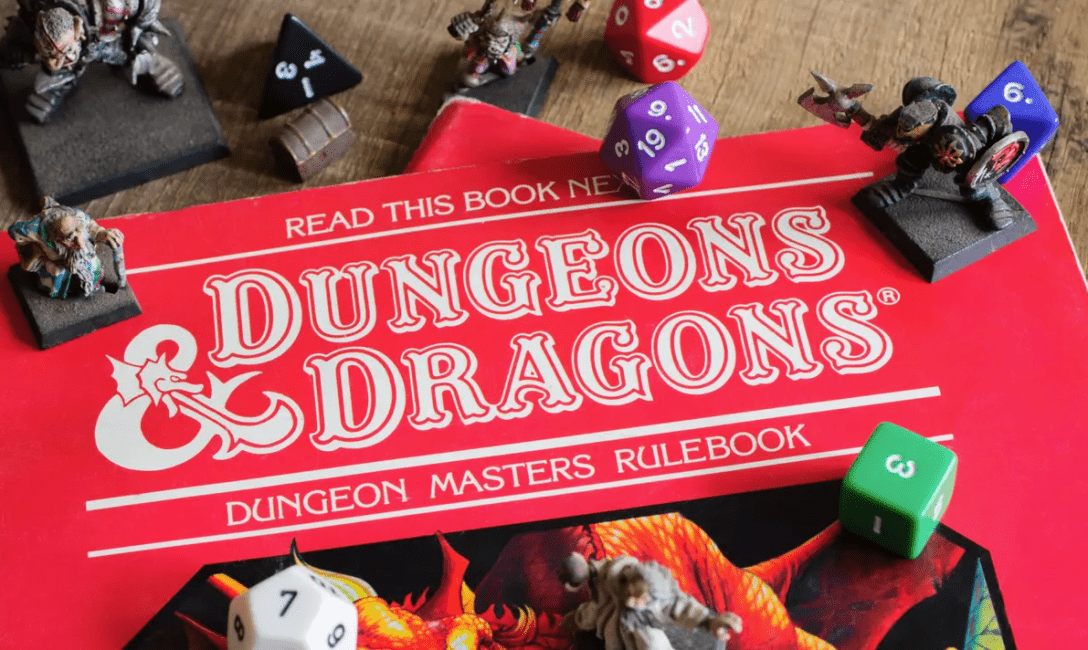
These games introduced fresh mechanics, appealing to a wider audience beyond traditional gamers and fostering camaraderie among players
Developed in 1995, Settlers of Catan added a new concept of resource management and trading, providing a fresh and dynamic gaming experience.
Ticket to Ride, introduced in 2004, combined strategy with a touch of nostalgia as players embarked on adventures across continents. Accessible mechanics and exciting gameplay made the game a hit that attracted the attention of a wide audience
This revival has also spawned board game cafes and conventions, fostering global communities where enthusiasts gather to play and share their love for the pastime.
Additionally, the technological era has brought about a digital revolution by integrating board games into online platforms and immersive technologies such as AR and VR. Instead of replacing traditional board games, they have expanded the gaming landscape by offering players different options.
From their ancient origins to their current popularity, board games have transcended cultural and time boundaries. They continue to evolve, incorporating different voices and technological advances. They bring people of different cultures together, promote community cohesion and serve as a valuable tool for learning and skills development.
Important
Biological weapons and pigs against elephants: 5 worst or best methods of warfare in ancient times
Once limited to certain circles of the aristocracy, board games have become inclusive and global. They are bridges connecting people of different cultures, promoting communities and cultural exchanges.
As you roll dice, move pawns, and strategize your next move, you participate in a tradition that dates back millennia and reminds us of the enduring pleasure of human connection, intellectual challenge, and shared experience.
Previously Focus wrote about the museum at the center of the scandal. In an Iranian museum, an ancient artifact was used as a trash can.
We also talked about the Golden Tree of Lucignano. We managed to find the lost fragments of a jewelry masterpiece from Italy.